Sign and verify RPI PICO UF2 firmware binaries

picosign is a Python boot tool for signing and verifying Raspberry Pi Pico UF2 firmware binaries.
Developed in python code.
The README is used to introduce the modules and provide instructions on how to install the modules, any machine dependencies it may have and any other information that should be provided before the modules are installed.


Table of Contents
- 🚀 Installation
- 📦 Dependencies
- 📁 Tool structure
- 📊 Code coverage
- 🛠 Usage
- 📚 Docs
- 👥 Contributing
- 📄 Copyright and licence
🚀 Installation
Used next development environment
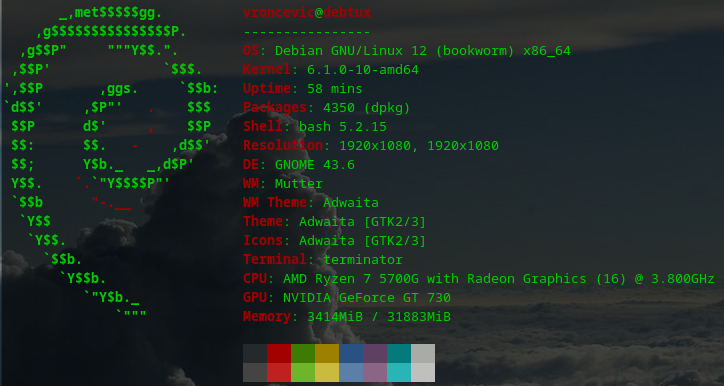

Currently there are four ways to install package
- Install process based on using pip mechanism
- Install process based on build mechanism
- Install process based on setup.py mechanism
- Install process based on docker mechanism
Install using pip
picosign is located at pypi.org.
You can install by using pip
# python3
pip3 install picosign
Install using build
Navigate to release page download and extract release archive.
To install picosign type the following
tar xvzf picosign-x.y.z.tar.gz
cd picosign-x.y.z/
# python3
wget https://bootstrap.pypa.io/get-pip.py
python3 get-pip.py
python3 -m pip install --upgrade setuptools
python3 -m pip install --upgrade pip
python3 -m pip install --upgrade build
pip3 install -r requirements.txt
python3 -m build --no-isolation --wheel
pip3 install ./dist/picosign-*-py3-none-any.whl
rm -f get-pip.py
Install using py setup
Navigate to release page download and extract release archive.
To install picosign locate and run setup.py with arguments
tar xvzf picosign-x.y.z.tar.gz
cd picosign-x.y.z
# python3
pip3 install -r requirements.txt
python3 setup.py install_lib
python3 setup.py install_egg_info
Install using docker
You can use Dockerfile to create image/container.
📦 Dependencies
picosign requires next modules and libraries
📁 Tool structure
picosign is based on OOP and Hexagonal Architecture.
Tool structure
Click to expand framework structure</summary>
    picosign/
         ├── core/
         │   ├── __init__.py
         │   ├── model/
         │   │   ├── __init__.py
         │   │   └── signature_data.py
         │   └── service/
         │       ├── engine.py
         │       ├── __init__.py
         │       ├── iservice.py
         │       └── isubprocessor.py
         ├── engine.py
         ├── infrastructure/
         │   ├── cli/
         │   │   ├── engine.py
         │   │   ├── icli.py
         │   │   ├── __init__.py
         │   │   └── setup/
         │   │       ├── bundle.py
         │   │       ├── dep_validator.py
         │   │       ├── dependencies.py
         │   │       ├── factory.py
         │   │       ├── __init__.py
         │   │       ├── keys.py
         │   │       ├── opt_validator.py
         │   │       ├── options.py
         │   │       ├── registry.py
         │   │       └── validator.py
         │   ├── command/
         │   │   ├── command.py
         │   │   ├── icommand_definition.py
         │   │   ├── icommand_executor.py
         │   │   ├── __init__.py
         │   │   ├── read_command_definition.py
         │   │   ├── read_command_executor.py
         │   │   ├── sign_command_definition.py
         │   │   └── sign_command_executor.py
         │   ├── config/
         │   │   ├── picosign.cfg
         │   │   └── picosign.logo
         │   ├── __init__.py
         │   └── subprocessor.py
         ├── __init__.py
         ├── py.typed
         └── setup/
             ├── bundle.py
             ├── dep_validator.py
             ├── dependencies.py
             ├── factory.py
             ├── __init__.py
             ├── keys.py
             ├── opt_validator.py
             ├── options.py
             ├── registry.py
             └── validator.py

     10 directories, 45 files
</details>
✨ Features
- Adds and reads textual signatures from 220-byte padding in the first 512-byte block of UF2 binaries.
- Validates UF2 block boundaries and magic header constants (
0x0A324655, 0x9E5D5157).
- Provides a modular and extensible architecture based on OOP and SOLID principles.
- Includes command line interface (CLI) support via a command/executor structure.
- Robust validation of project bundles, dependencies, and options.
- High code quality with full type checking and 100% unit test coverage.
📊 Code coverage
Click to expand code coverage</summary>
Name
Stmts
Miss
Cover
picosign/__init__.py9
0
100%
picosign/core/__init__.py9
0
100%
picosign/core/model/__init__.py9
0
100%
picosign/core/model/signature_data.py15
0
100%
picosign/core/service/__init__.py9
0
100%
picosign/core/service/engine.py29
0
100%
picosign/core/service/iservice.py14
0
100%
picosign/core/service/isubprocessor.py14
0
100%
picosign/engine.py57
0
100%
picosign/infrastructure/__init__.py9
0
100%
picosign/infrastructure/cli/__init__.py9
0
100%
picosign/infrastructure/cli/engine.py43
0
100%
picosign/infrastructure/cli/icli.py15
0
100%
picosign/infrastructure/cli/setup/__init__.py9
0
100%
picosign/infrastructure/cli/setup/bundle.py22
0
100%
picosign/infrastructure/cli/setup/dep_validator.py36
0
100%
picosign/infrastructure/cli/setup/dependencies.py18
0
100%
picosign/infrastructure/cli/setup/factory.py40
0
100%
picosign/infrastructure/cli/setup/keys.py26
0
100%
picosign/infrastructure/cli/setup/opt_validator.py34
0
100%
picosign/infrastructure/cli/setup/options.py15
0
100%
picosign/infrastructure/cli/setup/registry.py31
0
100%
picosign/infrastructure/cli/setup/validator.py43
0
100%
picosign/infrastructure/command/__init__.py9
0
100%
picosign/infrastructure/command/command.py16
0
100%
picosign/infrastructure/command/icommand_definition.py14
0
100%
picosign/infrastructure/command/icommand_executor.py14
0
100%
picosign/infrastructure/command/read_command_definition.py26
0
100%
picosign/infrastructure/command/read_command_executor.py29
0
100%
picosign/infrastructure/command/sign_command_definition.py26
0
100%
picosign/infrastructure/command/sign_command_executor.py29
0
100%
picosign/infrastructure/subprocessor.py101
0
100%
picosign/setup/__init__.py9
0
100%
picosign/setup/bundle.py23
0
100%
picosign/setup/dep_validator.py36
0
100%
picosign/setup/dependencies.py19
0
100%
picosign/setup/factory.py43
0
100%
picosign/setup/keys.py27
0
100%
picosign/setup/opt_validator.py34
0
100%
picosign/setup/options.py12
0
100%
picosign/setup/registry.py32
0
100%
picosign/setup/validator.py48
0
100%
Total
1062
0
100%
</details>
🛠 Usage
Install package
pip3 install picosign
Prepare main entry point by downloading main.py or create your own.
wget -O main.py https://raw.githubusercontent.com/vroncevic/picosign/main/main.py
Embed signature into a UF2 firmware binary:
python3 main.py sign --file firmware.uf2 --signature "AUTHOR: Vladimir Roncevic | VERSION: 1.0.0"
Read signature from a UF2 firmware binary:
python3 main.py read --file firmware.uf2
📚 Docs

More documentation and info at
👥 Contributing
📄 Copyright and licence


Copyright (C) 2026 by vroncevic.github.io/picosign
picosign is free software; you can redistribute it and/or modify
it under the same terms as Python itself, either Python version 3.x or,
at your option, any later version of Python 3 you may have available.
Lets help and support PSF.


picosign/
├── core/
│ ├── __init__.py
│ ├── model/
│ │ ├── __init__.py
│ │ └── signature_data.py
│ └── service/
│ ├── engine.py
│ ├── __init__.py
│ ├── iservice.py
│ └── isubprocessor.py
├── engine.py
├── infrastructure/
│ ├── cli/
│ │ ├── engine.py
│ │ ├── icli.py
│ │ ├── __init__.py
│ │ └── setup/
│ │ ├── bundle.py
│ │ ├── dep_validator.py
│ │ ├── dependencies.py
│ │ ├── factory.py
│ │ ├── __init__.py
│ │ ├── keys.py
│ │ ├── opt_validator.py
│ │ ├── options.py
│ │ ├── registry.py
│ │ └── validator.py
│ ├── command/
│ │ ├── command.py
│ │ ├── icommand_definition.py
│ │ ├── icommand_executor.py
│ │ ├── __init__.py
│ │ ├── read_command_definition.py
│ │ ├── read_command_executor.py
│ │ ├── sign_command_definition.py
│ │ └── sign_command_executor.py
│ ├── config/
│ │ ├── picosign.cfg
│ │ └── picosign.logo
│ ├── __init__.py
│ └── subprocessor.py
├── __init__.py
├── py.typed
└── setup/
├── bundle.py
├── dep_validator.py
├── dependencies.py
├── factory.py
├── __init__.py
├── keys.py
├── opt_validator.py
├── options.py
├── registry.py
└── validator.py
10 directories, 45 files
0x0A324655, 0x9E5D5157).
Click to expand code coverage</summary>
Name
Stmts
Miss
Cover
picosign/__init__.py9
0
100%
picosign/core/__init__.py9
0
100%
picosign/core/model/__init__.py9
0
100%
picosign/core/model/signature_data.py15
0
100%
picosign/core/service/__init__.py9
0
100%
picosign/core/service/engine.py29
0
100%
picosign/core/service/iservice.py14
0
100%
picosign/core/service/isubprocessor.py14
0
100%
picosign/engine.py57
0
100%
picosign/infrastructure/__init__.py9
0
100%
picosign/infrastructure/cli/__init__.py9
0
100%
picosign/infrastructure/cli/engine.py43
0
100%
picosign/infrastructure/cli/icli.py15
0
100%
picosign/infrastructure/cli/setup/__init__.py9
0
100%
picosign/infrastructure/cli/setup/bundle.py22
0
100%
picosign/infrastructure/cli/setup/dep_validator.py36
0
100%
picosign/infrastructure/cli/setup/dependencies.py18
0
100%
picosign/infrastructure/cli/setup/factory.py40
0
100%
picosign/infrastructure/cli/setup/keys.py26
0
100%
picosign/infrastructure/cli/setup/opt_validator.py34
0
100%
picosign/infrastructure/cli/setup/options.py15
0
100%
picosign/infrastructure/cli/setup/registry.py31
0
100%
picosign/infrastructure/cli/setup/validator.py43
0
100%
picosign/infrastructure/command/__init__.py9
0
100%
picosign/infrastructure/command/command.py16
0
100%
picosign/infrastructure/command/icommand_definition.py14
0
100%
picosign/infrastructure/command/icommand_executor.py14
0
100%
picosign/infrastructure/command/read_command_definition.py26
0
100%
picosign/infrastructure/command/read_command_executor.py29
0
100%
picosign/infrastructure/command/sign_command_definition.py26
0
100%
picosign/infrastructure/command/sign_command_executor.py29
0
100%
picosign/infrastructure/subprocessor.py101
0
100%
picosign/setup/__init__.py9
0
100%
picosign/setup/bundle.py23
0
100%
picosign/setup/dep_validator.py36
0
100%
picosign/setup/dependencies.py19
0
100%
picosign/setup/factory.py43
0
100%
picosign/setup/keys.py27
0
100%
picosign/setup/opt_validator.py34
0
100%
picosign/setup/options.py12
0
100%
picosign/setup/registry.py32
0
100%
picosign/setup/validator.py48
0
100%
Total
1062
0
100%
</details>
🛠 Usage
Install package
pip3 install picosign
Prepare main entry point by downloading main.py or create your own.
wget -O main.py https://raw.githubusercontent.com/vroncevic/picosign/main/main.py
Embed signature into a UF2 firmware binary:
python3 main.py sign --file firmware.uf2 --signature "AUTHOR: Vladimir Roncevic | VERSION: 1.0.0"
Read signature from a UF2 firmware binary:
python3 main.py read --file firmware.uf2
📚 Docs
More documentation and info at
👥 Contributing
📄 Copyright and licence
Copyright (C) 2026 by vroncevic.github.io/picosign
picosign is free software; you can redistribute it and/or modify
it under the same terms as Python itself, either Python version 3.x or,
at your option, any later version of Python 3 you may have available.
Lets help and support PSF.
picosign/__init__.pypicosign/core/__init__.pypicosign/core/model/__init__.pypicosign/core/model/signature_data.pypicosign/core/service/__init__.pypicosign/core/service/engine.pypicosign/core/service/iservice.pypicosign/core/service/isubprocessor.pypicosign/engine.pypicosign/infrastructure/__init__.pypicosign/infrastructure/cli/__init__.pypicosign/infrastructure/cli/engine.pypicosign/infrastructure/cli/icli.pypicosign/infrastructure/cli/setup/__init__.pypicosign/infrastructure/cli/setup/bundle.pypicosign/infrastructure/cli/setup/dep_validator.pypicosign/infrastructure/cli/setup/dependencies.pypicosign/infrastructure/cli/setup/factory.pypicosign/infrastructure/cli/setup/keys.pypicosign/infrastructure/cli/setup/opt_validator.pypicosign/infrastructure/cli/setup/options.pypicosign/infrastructure/cli/setup/registry.pypicosign/infrastructure/cli/setup/validator.pypicosign/infrastructure/command/__init__.pypicosign/infrastructure/command/command.pypicosign/infrastructure/command/icommand_definition.pypicosign/infrastructure/command/icommand_executor.pypicosign/infrastructure/command/read_command_definition.pypicosign/infrastructure/command/read_command_executor.pypicosign/infrastructure/command/sign_command_definition.pypicosign/infrastructure/command/sign_command_executor.pypicosign/infrastructure/subprocessor.pypicosign/setup/__init__.pypicosign/setup/bundle.pypicosign/setup/dep_validator.pypicosign/setup/dependencies.pypicosign/setup/factory.pypicosign/setup/keys.pypicosign/setup/opt_validator.pypicosign/setup/options.pypicosign/setup/registry.pypicosign/setup/validator.pypip3 install picosign
wget -O main.py https://raw.githubusercontent.com/vroncevic/picosign/main/main.py
python3 main.py sign --file firmware.uf2 --signature "AUTHOR: Vladimir Roncevic | VERSION: 1.0.0"
python3 main.py read --file firmware.uf2